What Is A Damascus Knife
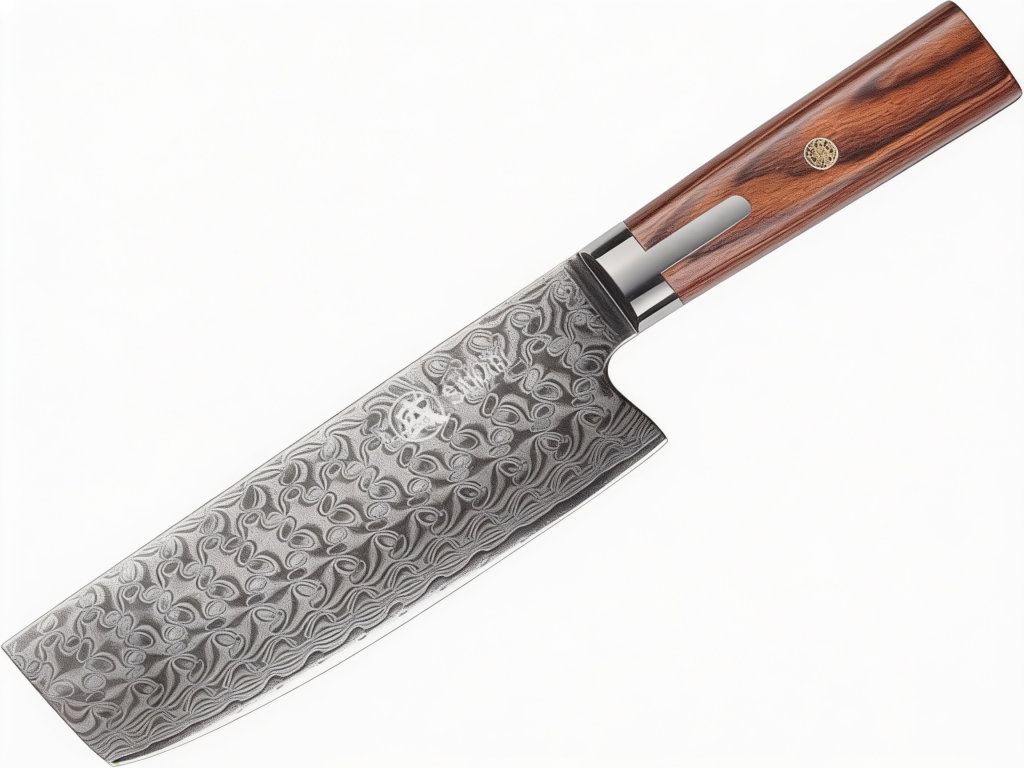
The blade, explained What Is a Damascus Knife? The pattern catches your eye. The steel, the grind and the edge decide how the knife works. A clear look at modern Damascus construction and what matters when you buy. the edge Short answer A Damascus knife usually has a visible pattern produced by layered steel. Modern kitchen versions may use pattern-welded steel or patterned outer cladding around a separate cutting core. Some knives instead have a decorative pattern applied to an otherwise plain blade. The pattern alone cannot tell you how the knife was made or how well it cuts; check the maker’s construction and steel specifications. The name reaches back to historic crucible-steel blades known for a watered pattern. Modern makers also use it for pattern-welded blades and clad kitchen knives. These are different constructions that share a visual language. A product name on its own will not tell you which one you are buying. This guide walks through what the name means, how the pattern gets there, how layered construction differs from a decorative surface finish, and what to check on the listing before you hand over your money. If you just want the buying version, jump to our best chef knife guide or the Damascus steel guide. What makes a blade Damascus? In modern listings, a pattern can come from steel welded in layers, patterned cladding around a core, or a decorative finish on a plain blade. The first two describe blade construction. The third describes appearance. An etched finish can also be used to reveal genuine layers, so the word “etched” by itself does not settle the question. How a blade slowly becomes layered forging folds and welds layers into one blade layers run through the blade Pattern-welded Different steels forge-welded together. Their layers can be revealed on the finished blade. core reaches the edge Clad blade Patterned outer layers around a named core, like VG-10 or AUS-10. The core does the cutting. pattern sits on the surface Surface finish A decorative pattern can be applied to a plain blade. Etching may also reveal real layers, so ask which process the maker used. The clad construction is common in modern kitchen listings: the core reaches the cutting edge, while the patterned layers sit on either side. That tells you where to start reading the specification. It does not prove that one knife is tougher or sharper than another. Researchers who study modern pattern-welded blades have mapped how carbon migrates between the welded layers during forging, which is part of why the pattern is not simply decoration. It is a record of the steel being worked. Interest in welded and layered blades goes back further, with metallurgists sectioning and analysing welded knife billets to see how the layers actually bond. Why is it called Damascus at all? Historic Damascus blades were associated with crucible steel and a distinctive watered pattern. Their production and metallurgy have been studied and reproduced in experiments, though the historical methods are still discussed. Modern pattern-welded knives use a different approach to producing visible layers. The legend wootz blades from the Middle East, famous but hard to reproduce The revival smiths rebuild the look with pattern-welded steel, scientists study the wootz originals The kitchen knife patterned cladding around VG-10 or AUS-10 becomes the common kitchen look Wootz, not quite lostResearchers have examined historic blades and explored how their patterns formed. Read the account by metallurgists Verhoeven and Pendray in Scientific American’s piece on the mystery of Damascus blades. Pattern-welded is differentModern pattern-welded steel, welded and folded bar stock, is a separate family from wootz. Same family name, different steel science. Our steel guide breaks both apart. The word now covers different productsOne listing may describe forged layers; another may refer only to a decorative surface pattern. Read the construction details. Real pattern or surface effect? A photograph can show you the pattern. It cannot, on its own, prove the blade’s construction. Read the listing for a named steel, the maker’s explanation of the layers, and a clear description of what reaches the cutting edge. Drag to see the difference An illustration of two possible constructions. Drag the gold line to compare layered steel with a decorative surface pattern. This is a diagram, not a test of a product photo. FORGED LAYERS layers run through the whole blade PRINTED PATTERN lines sit on the surface only Forged layers Printed look Real layered steelSurface finish Quick check before you buy. If a listing says only “Damascus pattern” and gives no steel or construction details, ask the seller what makes the pattern before assuming the blade is layered. Price alone does not prove authenticity. The real vs fake Damascus guide explains what a listing can and cannot establish. Look for a named core. VG-10, AUS-10, 10Cr15CoMoV, SG2. A named core helps identify the steel at the edge. “High carbon steel” is too broad to identify an alloy. Ask how the pattern got there. Look for a specific description of pattern-welding, patterned cladding, or an applied finish. Vague wording needs a follow-up question. Use photos for context. A spine photo may add context, but finishing and blade construction vary. It cannot confirm or rule out layered steel on its own. Look beyond stock photos. Repeated images tell you little about the knife you will receive. Ask for the product specification instead of judging authenticity from matching photos. What actually decides how good the knife is? The pattern tells you about appearance and, when verified, construction. Cutting performance depends on the steel at the edge, heat treatment, blade geometry, sharpening and how you use the knife. A “67-layer” claim is not a sharpness or edge-retention score. Four details that matter more than layer count Compare the complete knife, not one number in a product title. Detail What to ask Cutting steel Which named steel reaches the edge? Heat treatment Does the maker publish a credible hardness range for this knife? Blade geometry Does the profile suit the food